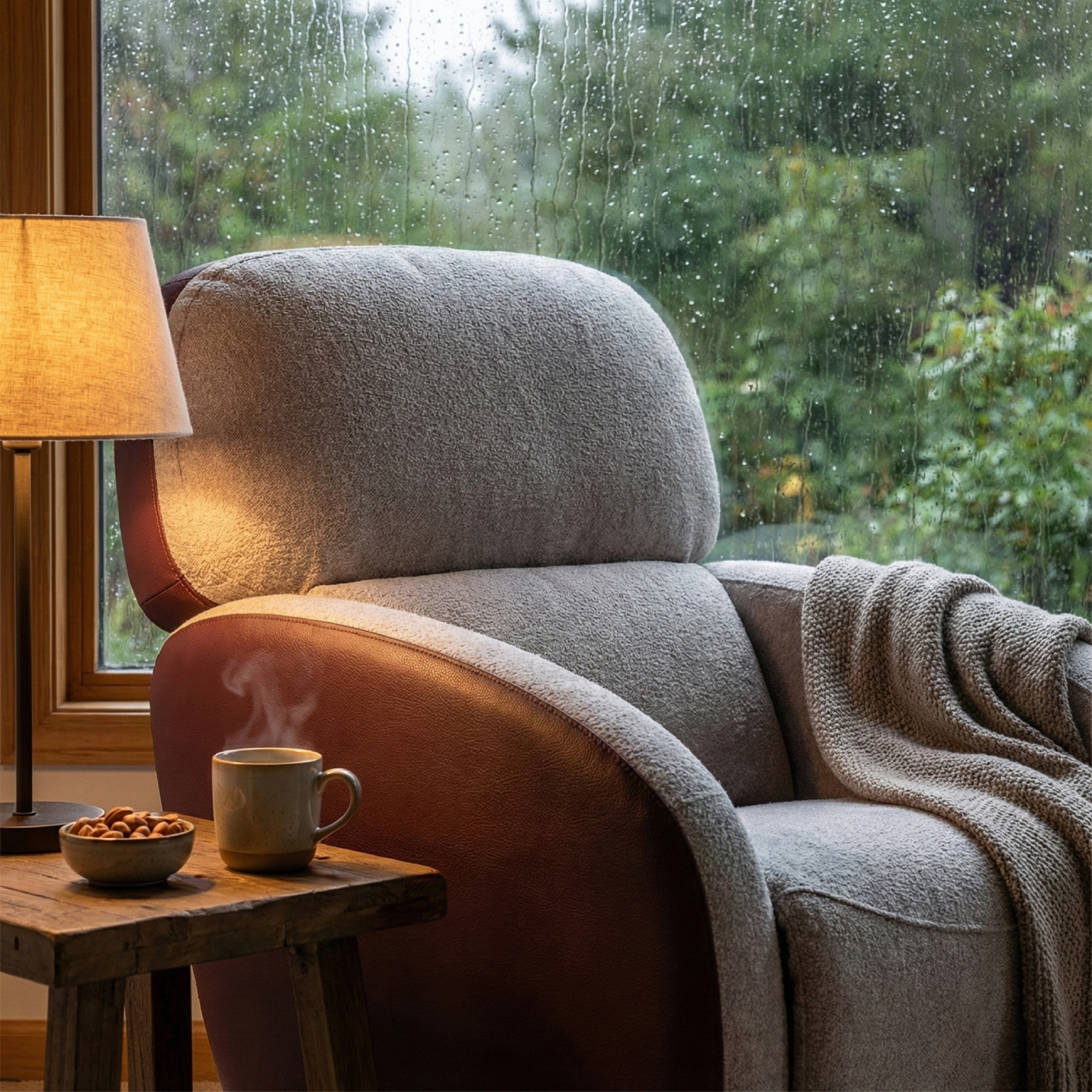
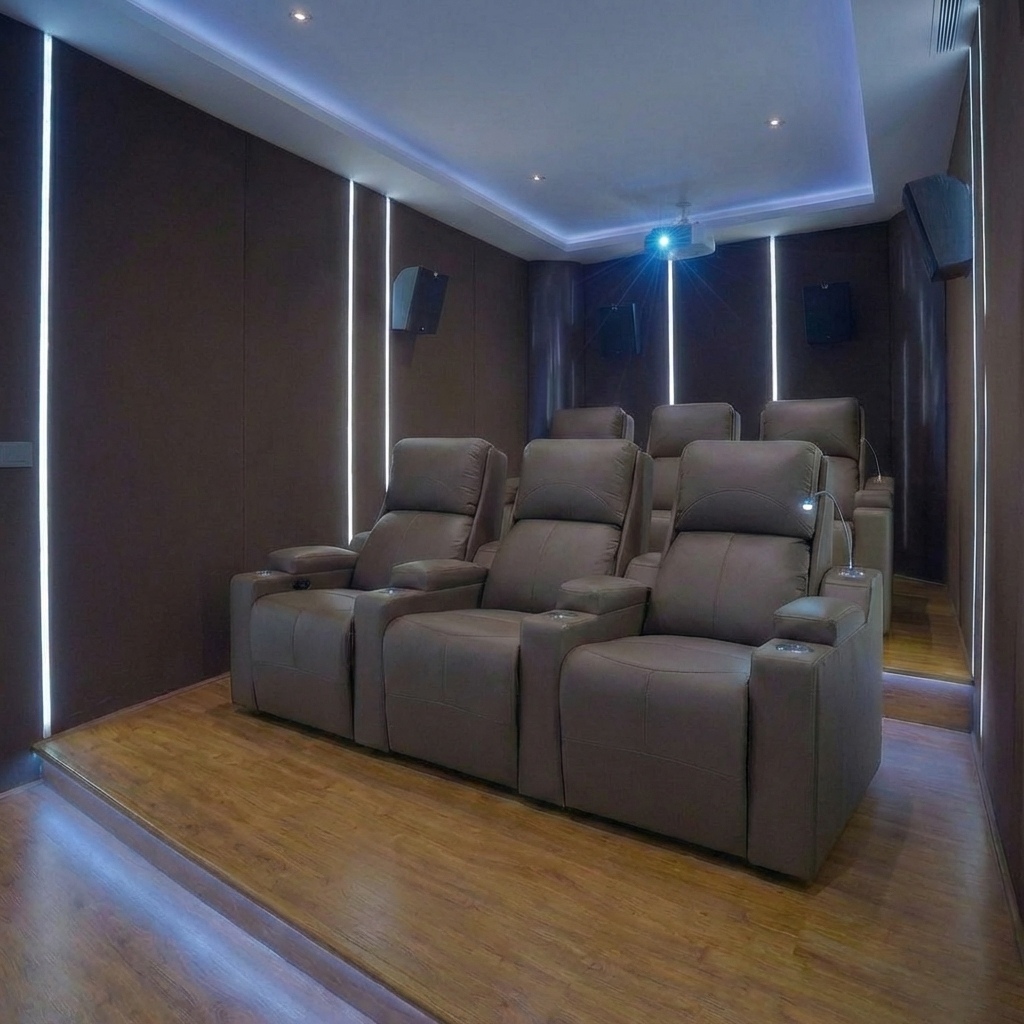
There's something universally soothing in reclining chairs, as it begs you to lean back, breathe out, and temporarily escape from the world around you. What started as a living room indulgence now infiltrated some of the busiest arenas of our regular lifestyle, including, airports, lounges, and transit centers. Through the passing of decades, recliners transformed from being merely a chair to a trademark of relaxation and hospitality, redefining how individuals interact with public spaces.
This revolution did not occur overnight, in truth it is an intriguing tale of shifting human requirements, design innovation, and the increasing role of comfort in spaces that were previously purely functional. Let's uncover and delve into the tale of how relax the back recliners revolutionized public spaces from stiff waiting areas to cozy retreats.
Days when function came prior to comfort
Prior to airports being mini-cities full of restaurants, shops, and spa lounges, they were constructed with one intention, to transport people from point A to point B. The emphasis was on efficiency, not on comfort.
Public seating in the early 20th century was primitive and functional as aiirports and train stations were equipped with benches or fixed rows of chairs, sometimes made of metal or wood.
These seats were meant to support crowds and repeated use, not to rock weary travelers after a long flight. The concept of reclining chairs, or relax the back recliners, didn't really exist in public seating.
But as tourism grew more popular, consumers started demanding more from their trips, as we witnessed airports that began competing not only on routes and planes but also on passenger experience, and that is when the design of seats started evolving.
Eyes turning to passenger experience
During the post-war travel boom of the 1950s and 60s, airports started to become more social, even glamorous, environments. Passengers weren't merely travelers anymore, they were customers with expectations.
Designers and architects began to regard airport seating as a component of the total experience, especially with iconic designers such as Charles and Ray Eames taking centre stage with the creation of sleek, molded beam seating that merged style with modest comfort.
However, the aim was utility, so still electric recliner chairs were not as common and only reserved for luxurious lounges or waiting rooms in first class. But the seed had been sown, people needed to relax, not merely sit.
The rise of recliner chair in airports and lounges
By the late 20th century, air travel had become more democratic, millions were flying, and long-haul flights were the new norm. As waiting times stretched, airports and airlines started looking for ways to make those hours feel less exhausting. The answer lay in comfort, and the recliner quietly became the star of the show.
Contemporary recliners entered the airport via lounges — areas that offered tranquility away from busy terminals. What started as mere upholstered chairs soon developed into totally adjustable recliners, intended for travelers to sleep, read, or even work in comfort.
Reshaping luxury in recliner chair at airport lounges
The idea of airport lounges began in 1939 when American Airlines established its initial Admirals Club at New York's LaGuardia Airport. Ranging from exclusive to premium passengers, lounges represented elitism. Through the decades, they became mini blessings with Wi-Fi, buffets, and yes, soft and most comfortable recliner chairs.
By the 1990s and 2000s, reclining chairs were a hallmark of lounge opulence as carriers such as Emirates, Singapore Airlines, and Cathay Pacific started featuring lie-flat loungers, peaceful rooms, and even individual sleep pods for luxury flyers. The leather recliner chair was no longer merely a seat, it was a status symbol.
- Current lounges today boast a range of recliner varieties.
- Zero-gravity recliners that minimize pressure on the spine.
- Power recliners with integrated controls and massage functions.
- Privacy pods where you can completely recline and relax prior to boarding.
These lounges don't simply provide comfort; they retail serenity. A reclining chair can make a layover an invigorating break, totally transforming the traveler's entire experience of the airport.
Public terminal reclining chair- Bestowing comfort to all
As airports grew, the comfort that previously belonged to lounges began spilling over into public areas. Terminals started adding specific "rest zones" equipped with reclining loungers. These open-to-all comfortable recliners provided travelers with a spot to rest, both physically and literally, several have USB charging ports and outlets to charge devices.
For example, Denver International Airport's "Rest & Recharge" lounge contains reclining chairs with individual power outlets and partitions for half-privacy. Changi Airport in Singapore, which is frequently voted the best airport in the world, has extended this to the next level with nap areas, snooze lounges, and private pods for rent.
The availability of these recliners revolutionized how passengers spent their time at airports. Rather than tense walking or painful sitting, travelers were able to relax, read, or even sleep, making airports extensions of the travel process instead of mere transitional areas.
Beyond airports: Comfortable Recliners as public comfort zones
The airport impact of most comfortable recliner chairs ignited a broader movement, the adoption of rest areas in other public places such as shopping malls, libraries, colleges, and even hospitals. As our lives grew more hectic, designers came to see that comfort was no longer an extravagance, it was an imperative.
Malls and transit hubs welcome restful design
Modern shopping malls and large transit stations started incorporating recliners and lounge chairs to encourage longer dwell times. The logic was simple: if people feel comfortable, they stay longer, and longer stays mean more spending. Reclining chairs, in this sense, became an economic tool disguised as comfort furniture.
Some shopping malls also include "quiet lounges" or "resting corners" with cushioned leather recliner chairs or plush daybeds, where shoppers can stop shopping to rest. These areas are made to replicate the comforts of home, providing a friendly atmosphere that encourages customer satisfaction and loyalty without much effort.
Libraries and universities follow the trend
Campuses and libraries, once synonymous with study and concentration, have also adopted the concept of restful seating. Contemporary university libraries now include recliner areas for short naps, encouraging students to be mentally healthy. The philosophy behind designs has changed, rest has now been accepted as an integral aspect of productivity.
These rooms show us how relax the back recliners have moved beyond mere recreation. They've evolved into instruments of equilibrium, where individuals relax, refuel, and get back to their work with renewed vigor.
Art and science of public recliners
The contemporary recliner is not all about plush pillows and toe-tapping footrests; it is an artfully crafted piece of furniture meant for varied users and high-traffic tolerance.
Ergonomics and inclusivity
Designers have learned that comfort means different things to different bodies. Recliners in public spaces need to support various body types, ages, and mobility levels. The seat angle, lumbar curve, and armrest height all contribute to comfort — or discomfort — depending on how well they’re balanced.
For use in public spaces such as airports, electric recliner chairs have to comply with accessibility requirements. They come with additional support features for the elderly or disabled persons, while others are user-friendly, allowing people to shift from sitting to standing easily.
Maintaining durability and hygiene
While home reclining chairs have the luxury of sitting idle in between uses, public recliner chairs need to withstand rigorous use. They're constructed with industrial-strength materials, metal frames, antimicrobial leather, and spill-resistant, easy-to-clean fabrics. In the post-pandemic era, hygiene is a priority in design. Non-porous surfaces and one-piece upholstery ensure easy and often repeated sanitizing.
The comfort factor
Reclining chairs may look like a cost center, but for airports and public spaces, they're an investment. Airports derive a surprising amount of their revenue not from air traffic, but from non-air sources such as retail, food, and lounges. The longer passengers linger, the more they spend, and comfortable seating has a direct impact on dwell time.
Luxury recliners and pods also generate new money. Paid sleep pods (such as GoSleep or YotelAir) allow travellers to pay for private spaces hourly, blending comfort and commerce. Some airports show high rates of use, demonstrating that travellers pay for rest.
Comfort, in short, has become a currency.
Recliners in public spaces for tomorrow
The future stage of recliner development is defined by technology, wellness, and sustainability. Designers are imagining what comfort will look like in the era of smart cities and hyper-connected travelers.
Smart and comfortable recliner chairs with digital touch
The future of public recliners lies in intelligence. Imagine a recliner that detects when it’s occupied, adjusts to your preferred position, or reminds cleaning staff when it’s time to sanitize. Some prototypes already include USB-C charging, wireless phone pads, and touch panels for climate and lighting control.
In high-end lounges, this technology might even extend to reservations, reserving a recliner chair on an app, or syncing it to your flight itinerary so it wakes you softly in time for boarding to start.
Wellness imbued designs
As people become increasingly wellness-focused, electric recliner chairs are being engineered to minimize stress and tiredness. Zero-gravity reclining, soft vibrations, and circadian lighting features are being added to allow travelers to sleep better, even on brief layovers.
The concept is to turn passive waiting into active renewal, to make even 20 minutes of relaxation feel renewing.
Hand in hand - sustainability & longevity
Airports and public facilities are starting to embrace sustainable materials and modular furniture systems that can be refurbished or reupholstered rather than replaced. Recliners built with recycled material, low-VOC foam, and responsibly sourced metal are now the standard. Success in the design world is no longer measured by just how comfortable something is, but also by conscience.
The cultural significance of public recliner chairs
In reality, recliners in public places represent something more. They reflect a change in what we consider valuable time and how we define well-being. Waiting time is no longer lost; it's time to sit back, recharge, and remember oneself.
From a hard bench to a zero-gravity lounger, this is the kind of evolution society itself has undergone in moving away from considering comfort a luxury and towards considering it a right, even in the most crowded of areas.
Public recliners have gone about transforming the way we travel, shop, study, and socialize. They've transformed in-between times, previously spent idling or exhausting oneself — into mini sanctuaries of relaxation.
Final say
The history of recliners in the public environment, from airports to lounges and beyond, is one of empathy, design, and increasing demand for comfort in a world that is overstimulated. What began as a utilitarian response for weary travelers now forms a part of design philosophy based on wellbeing.As public spaces continue to be reimagined, one thing is for sure, the recliner chairs is here to remain. It's no longer simply a chair; it's a discreet assurance that despite even the busiest of environments, relaxation still has its place.
You can rely on Hush Hiven to take care of your personalised needs in terms of choosing the best recliners and seeping in the joy of comfortable seats.
FAQs
When did recliners first come to airports?
Recliners first popped up at airports in the 1950s but became conventional at public terminals only during the 2000s, when airports shifted their priorities to passenger comfort and wellness.
Why do airports spend money on recliners and rest pods?
Since comfort enhances dwell time, customer satisfaction, and revenue. Relaxing passengers increase spending on shopping and eating, making recliners a worthwhile investment.
What's next for public recliners?
Future recliners will incorporate intelligent features such as sensors, app connectivity, and wellness functions using sustainable materials that combine comfort with environmentally friendly design.